

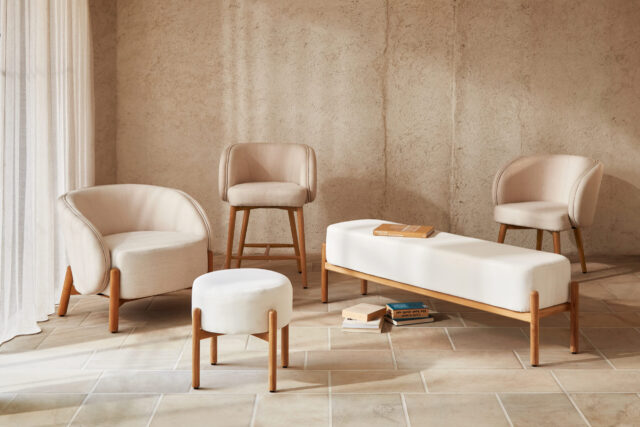
My first experience interacting with Indonesia furniture completely changed my perspective on home furnishings. Initially, I was simply looking for visually appealing pieces.
However, over time and through a lengthy selection process, I began to understand that furniture is more than just a decorative addition, but rather a long-term investment that requires careful consideration, from the materials and manufacturing process to durability under various conditions.
The Beginning of My Interest in Indonesian Furniture
My interest began with curiosity. Many people recommended furniture made by Indonesian craftsmen because of their strong reputation in the global market. Upon seeing their work in person, I realized that the beauty of their designs was no accident.
There was great attention to detail and the quality of the materials used. From there, I began to learn that choosing furniture means understanding the characteristics of the material, especially the type of wood used as the primary ingredient.
Learning About Wood as a Living Material
One of the most important things I learned was the nature of wood as a natural material. Wood is not a rigid, inanimate object; it reacts to its environment.
Changes in temperature and humidity can cause it to expand or contract. Without proper processing, furniture can easily crack, warp, or lose its original shape. This is where I began to appreciate the production process employed by Indonesia furniture craftsmen.
They don’t just choose any wood. The wood they use is rigorously selected and then dried through a controlled kiln drying process. This process ensures stable moisture content in the wood, making the furniture more durable. From my experience, furniture made with this process feels more sturdy and doesn’t warp easily even after years of use.
Why Indonesian Furniture is Recognized Internationally
The more I delved into it, the clearer it became why Indonesian furniture is so highly valued. This country boasts extraordinary natural resources, especially when it comes to high-quality wood. The two types of wood I’d heard about most often, and then experienced firsthand, were teak and mahogany. These two woods have long been favorites in the global furniture industry.
Indonesia has abundant access to these materials, allowing craftsmen to work directly with the selected wood without sacrificing quality. This creates consistently high standards for both the local and international markets.
Unmatched Durability
One of the main reasons I ultimately chose teak furniture is its durability. This wood is renowned for its exceptional longevity. In fact, I’ve seen vintage teak furniture that’s over a century old yet still looks sturdy and functions well. This experience convinced me that choosing teak means minimizing worries about long-term damage.
The natural oils and silica in teak play a major role in its durability. These elements help prevent the wood from cracking, rotting, and deformation due to weather. This is what makes teak furniture stable, whether placed indoors or outdoors.
Hassle-Free Maintenance
As someone with a busy schedule, I didn’t want furniture that required complicated maintenance. Fortunately, teak furniture is known for being easy to care for. This wood doesn’t absorb stains easily, so cleaning it is relatively simple. In my experience, a soft cloth and standard household cleaners are all I need to keep it looking pristine.
Occasionally, I clean it with warm water mixed with a little lemon juice to remove stubborn dirt. This doesn’t need to be done daily; once a month is sufficient. To maintain the wood’s shine and strength, a yearly application of teak oil is more than sufficient.
Natural Pest Protection
The resins in teak are repellent to pests, while the natural oils add strength and shine to the wood’s surface. This combination is what makes teak one of the most durable materials in the furniture world. Flexible for Various Interior Styles
From an aesthetic standpoint, teak is also highly adaptable. Its warm natural color easily blends with various interior concepts, from modern minimalist to classic. I once moved teak furniture from the living room to the terrace, and the look remained harmonious without much adjustment.
Significant Impact on the National Industry
Given the scale of production, it’s not surprising that the furniture industry is a crucial sector of the Indonesian economy. Thousands of teak plantations support the industry’s sustainability, creating jobs, and keeping the production chain alive. From a consumer perspective, this also means the availability of consistent, high-quality products.
My experience interacting directly with local craftsmen has opened my eyes to the fact that furniture isn’t just about the final product, but also about the process, craftsmanship, and traditions passed down through generations. At this point, I’ve deepened my understanding of the value behind every piece of furniture I own.
A Choice I’ve Never Regretted
Now, after years of using furniture made by local artisans, I can say that choosing Indonesian furniture was one of the best choices for my home.
From the strength of the materials, to the ease of maintenance, to the flexibility of the design, everything feels worth it. Even midway through my journey as a homeowner, I’ve re-realized that Indonesian furniture isn’t just about aesthetics, but also about a more peaceful quality of life without excessive worry.
As I conclude this experience, I’m even more convinced that high-quality furniture is born from a combination of rich nature and skilled craftsmanship. My personal experience with Indonesia furniture isn’t just about buying furniture, but rather a journey of understanding value, durability, and beauty that grows with time.